Showing posts with label Mental health. Show all posts

Wednesday, March 12, 2025

Youth Study on Perfectionism

BYU Study Reveals Surprising Insights on Toxic Perfectionism in Latter-day Saint Youth

Introduction

A recent study by researchers at Brigham Young University (BYU) sheds new light on the relationship between perfectionism, religiosity, and mental health in young people. While previous research suggested that members of The Church of Jesus Christ of Latter-day Saints (LDS) might experience high levels of perfectionism, the study found unexpected results that challenge common assumptions.

Key Findings from the Study

Led by Dr. Justin Dyer, BYU researchers followed a group of young people from ages 12 to 22 to assess how their religious identity influenced their perfectionist tendencies and mental well-being. The study included both Latter-day Saint youth and those from other religious backgrounds.

1. Latter-day Saint Youth Experience Lower Perfectionism Levels

Contrary to expectations, only 12% of LDS youth displayed high levels of perfectionism, compared to 20% of atheist and agnostic youth. Dr. Dyer attributes this to a distinction between high standards and toxic perfectionism.

“Toxic perfectionism isn’t about having high standards. It’s not even about not meeting those high standards. It’s about how you feel about yourself when you don’t meet those standards,” Dyer explained (East Idaho News, 2025).

2. Former Latter-day Saints Show the Highest Perfectionism Rates

Interestingly, 27% of former LDS members exhibited high levels of perfectionism—more than any other group in the study. According to BYU researcher Michael Goodman, this suggests that perfectionist tendencies existed before and after religious disaffiliation, rather than being a direct result of leaving the church.

3. Religious Scrupulosity and Misunderstood Doctrine

Some individuals within the church struggle with religious scrupulosity, an extreme form of perfectionism tied to religious practice. Morgan Dennis, a church member familiar with these struggles, described it as feeling undeserving of good things due to perceived shortcomings.

“When we experience toxic perfectionism, it could be because we’re misunderstanding what the church actually teaches and what the doctrine actually is,” Dyer noted (East Idaho News, 2025).

4. Support for Those Struggling with Perfectionism

The study emphasizes the importance of self-acceptance and understanding God’s love in overcoming toxic perfectionism. Many organizations, both inside and outside of the church, offer resources to help individuals struggling with these challenges.

“Showing people that they’re loved, not despite or because of anything, but with everything they’re experiencing, and that God loves them — just reminding them of that — is the most important thing,” Dennis stated (East Idaho News, 2025).

Conclusion

This BYU study challenges stereotypes about Latter-day Saint youth and perfectionism, revealing that while high standards are a core part of their faith, toxic perfectionism is not necessarily more prevalent among them. The findings suggest that understanding religious doctrine and embracing self-compassion are key to maintaining both strong faith and mental well-being.

Reference

East Idaho News Staff. (2025, March 12). BYU study examines ‘toxic perfectionism’ in Latter-day Saints. East Idaho News. https://www.eastidahonews.com/2025/03/byu-study-examines-toxic-perfectionism-in-latter-day-saints/

Keywords: perfectionism, mental health, religiosity, Latter-day Saints, self-acceptance

Hashtags: #Perfectionism #MentalHealth #FaithAndWellness #LDS #SelfCompassion

Wednesday, January 29, 2025

Mental Health

The Interconnection of Mental and Physical Health: Insights from Health Science Students at UVU

Image created by chatGPT.

By John Fisher (assisted by AI)

Mental health plays a critical role in overall well-being, influencing physical health, emotional stability, and daily functioning. In a recent discussion among Health Science students at Utah Valley University, key themes emerged about the relationship between emotional and physical health, effective coping strategies, and the importance of social and psychological support. Students shared personal experiences, explored psychological theories such as Maslow’s hierarchy of needs, and provided practical recommendations for managing mental health. This analysis highlights the discussion’s key takeaways, including the role of exercise, mindfulness, and emotional expression in maintaining a healthy balance between mind and body.


Key Themes in the Discussion

  1. Interconnection Between Emotional and Physical Health

    • Many students highlighted the strong connection between mental and physical health, emphasizing how stress, anxiety, and depression can lead to physical issues such as high blood pressure, digestive problems, sleep disturbances, and immune system suppression.
    • Example: "When you are depressed, your motor functions slow. Anxiety can cause a stopping of the digestive system, leading to constipation."
    • Example: "Poor emotional health, such as anxiety or depression, often leads to sleep disturbances. Inadequate sleep affects everything from energy levels and concentration to heart health and metabolism."
  2. Coping Strategies for Emotional Well-being

    • Students discussed various methods for managing emotions effectively, including exercise, journaling, mindfulness, meditation, seeking social support, and engaging in hobbies.
    • Example: "Writing down my thoughts and feelings in a journal provides an outlet for expressing emotions. It helps me process what I’m experiencing and gain insights into my emotional patterns."
    • Example: "When I am stressed, I go play basketball or take a drive. Physical activity helps me release built-up tension."
  3. Maslow’s Hierarchy of Needs in Psychological Support

    • Several students referenced Maslow’s Hierarchy of Needs, stating that meeting basic needs (food, shelter, safety) is crucial before addressing emotional and psychological well-being.
    • Example: "The first step to supporting another's psychological health is to make sure their physical needs are met. Once those are secured, fostering social connections and self-esteem becomes the next priority."
  4. Balancing Self-Esteem and Humility

    • Students emphasized the importance of self-awareness, recognizing one’s strengths while remaining open to growth.
    • Example: "Too much confidence can lead to arrogance, while too little can lead to self-doubt. Finding a balance between self-esteem and humility allows for personal growth."
  5. Spirituality as a Source of Resilience

    • Some students discussed spirituality as a coping mechanism for emotional struggles, grief, and personal loss.
    • Example: "Spirituality gave me a sense of peace during my hardest times, allowing me to find purpose and strength despite personal tragedies."

Mental Health Situations Identified

The discussion included several personal experiences reflecting different mental health challenges:

  1. Depression and Loss of Motivation

    • Many students mentioned struggles with depression and its impact on their daily lives.
    • Example: "During a crisis, I failed to take care of my body, gained weight, and lost self-confidence."
    • Example: "When my emotional health was at its lowest, I stopped exercising, ate unhealthy, and even neglected my hygiene."
  2. Stress and Anxiety

    • Students shared how stress affected their physical health and academic performance.
    • Example: "I used to bottle up emotions, which led to constant stress and tension. Journaling helped me release these feelings."
    • Example: "Stress triggers hormones that can lead to breakouts, digestive issues, and difficulty sleeping."
  3. Emotional Suppression and Therapy

    • Several students reflected on how they struggled with expressing emotions and later found coping strategies.
    • Example: "I couldn’t cry for years due to societal pressure, but therapy helped me process emotions in a healthier way."
    • Example: "I learned grounding techniques to control anxiety and stay present in difficult moments."
  4. Grief and Resilience

    • A few students shared experiences of loss and how they coped with grief.
    • Example: "Losing close friends to suicide was devastating, but my spiritual beliefs helped me find strength and resilience."

Recommendations Made by Students

Students provided multiple strategies for managing mental health and supporting others:

1. Strategies for Managing One’s Own Mental Health

  • Exercise and Physical Activity: Running, basketball, dance, and yoga were mentioned as helpful activities.
  • Mindfulness and Meditation: Used to control stress and gain self-awareness.
  • Journaling and Writing: Helps in processing emotions and organizing thoughts.
  • Talking to a Trusted Person or Therapist: Essential for emotional release and gaining perspective.
  • Creative Outlets: Art, music, and writing as forms of emotional expression.
  • Setting Realistic Goals: Breaking tasks into manageable steps to avoid overwhelm.
  • Maintaining a Routine: Keeping a structured schedule to balance emotions.

2. Strategies for Supporting Others

  • Ensuring Basic Needs Are Met: Helping individuals with housing, food, and financial security before addressing emotional needs.
  • Encouraging Social Connections: Building strong relationships and providing a sense of belonging.
  • Recognizing Achievements: Boosting self-esteem through encouragement and praise.
  • Being a Good Listener: Offering a non-judgmental space for people to share emotions.
  • Teaching Emotional Coping Skills: Introducing grounding techniques and stress management practices.

3. Addressing Broader Mental Health Awareness

  • Destigmatizing Mental Health Issues: Encouraging open discussions to reduce shame.
  • Integrating Mental Health Education: Teaching self-care and resilience strategies from an early age.
  • Balancing Self-Esteem and Humility: Promoting self-awareness while maintaining a growth mindset.

Conclusion

The discussion highlights a strong awareness of the connection between mental and physical health. Students shared personal experiences and coping mechanisms, emphasizing strategies such as exercise, journaling, mindfulness, and social support. They also explored Maslow’s hierarchy as a framework for mental health intervention, the role of spirituality in resilience, and the importance of self-esteem and humility.

This discussion underscores the need for proactive mental health management, both individually and within communities, promoting awareness, support systems, and emotional intelligence as vital components of well-being.

Keywords:

mental health, physical well-being, coping strategies, self-esteem, resilience

Hashtags:

#MentalHealthMatters #UVUHealthScience #MindBodyConnection #EmotionalWellness #Resilience

Monday, September 30, 2024

Effective Communication in Emergency Services


Enhancing Safety, Efficiency, and Team Cohesion
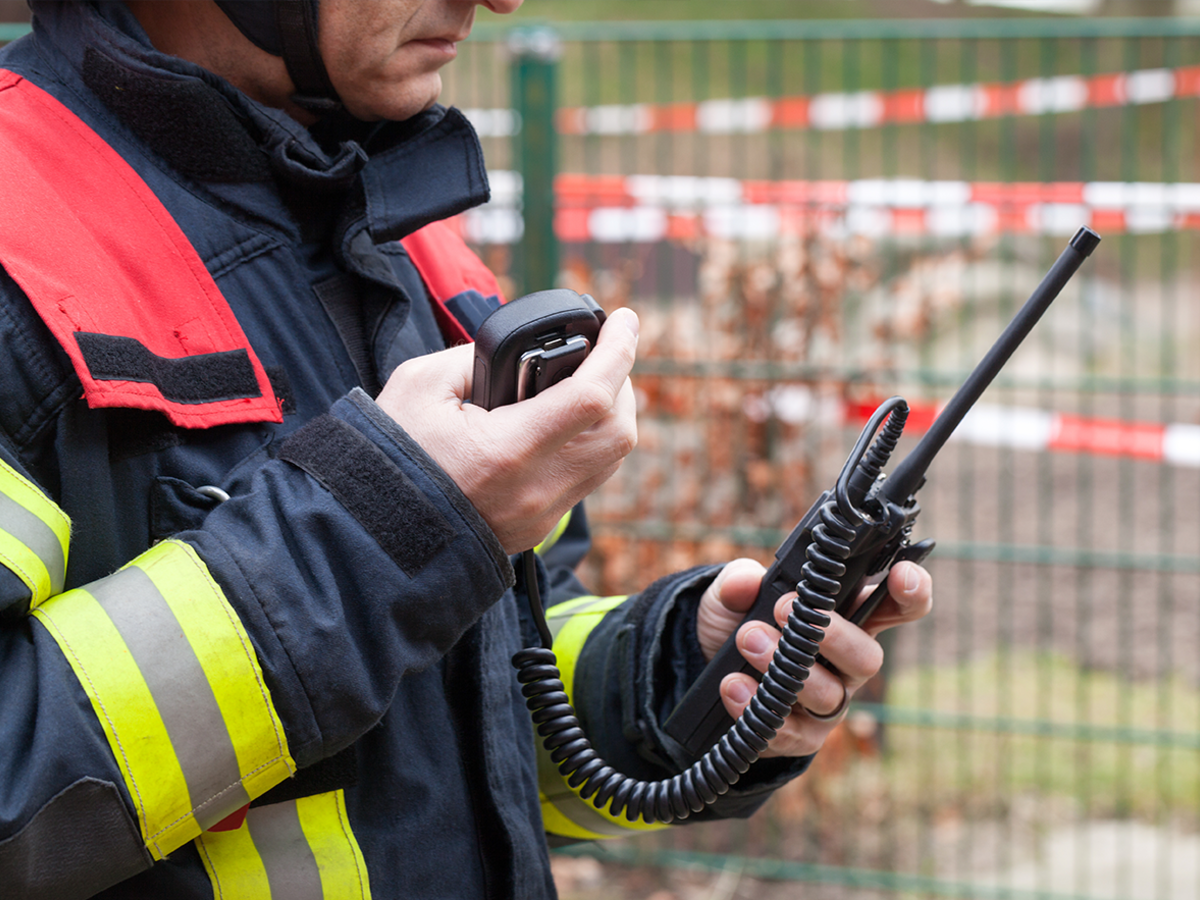
photo credit: www.ul.com

by John Fisher

Communication is the cornerstone of effective operations in emergency services. Whether on the fireground, during EMS calls, or within the firehouse, clear and structured communication directly impacts safety, efficiency, and teamwork. This article based on emergency services student posts explores the critical role of communication in emergency services by examining key themes, such as structured communication, the role of closed-loop communication, the impact on mental health, and the importance of communication in leadership and team building. We will highlight real-world scenarios and lessons learned to show how enhancing communication can save lives, reduce stress, and improve overall performance.

1. Structured Communication: The Foundation of Effective Emergency Response

Structured communication is essential in emergency services, where quick, accurate information exchange can mean the difference between life and death. Implementing structured communication models such as closed-loop communication, the 4 Cs (Connect, Convey, Clarify, Confirm), and regular debriefings ensures that messages are not only transmitted but also understood and acknowledged by all parties involved. According to the American Hospital Association, “closed-loop communication involves a sender conveying a message, the receiver confirming understanding, and the sender acknowledging that confirmation” (American Hospital Association, n.d.). This technique originated from military radio transmissions and is crucial in scenarios where every second counts and miscommunication can have disastrous consequences.

1.1. Closed-Loop Communication in Practice

In emergency services, the importance of closed-loop communication was highlighted during a cardiac arrest call described by a firefighter in one discussion post. The team used this communication technique to ensure clarity when deciding to switch from a humeral head intraosseous (IO) insertion to a tibial IO due to complications. The lead medic confirmed the new plan, the receiving team member acknowledged the change, and the decision was executed smoothly. By minimizing the risk of misunderstanding and redundancy, closed-loop communication ensured that the team remained focused and coordinated, ultimately enhancing patient care and safety.

1.2. Structured Communication in High-Pressure Situations

During the Yarnell Hill Fire in 2013, a communication breakdown contributed to the loss of 19 elite Granite Mountain Hotshots. This tragic event, one of the deadliest in U.S. history, underscored the need for structured communication on the fireground (Lapidus, 2023). Because the team’s movements were not effectively communicated to the incident commanders, their position and status were unknown during the critical moments when the fire rapidly changed direction. As a result, the fire command could not provide timely support or redirect the crew. This incident highlights that structured communication is not a bureaucratic formality but a life-saving tool in high-stress environments.

2. The Role of Communication in Mental Health and Team Cohesion

Communication is not only critical during operations but also in maintaining the mental health and well-being of emergency responders. After traumatic calls, such as those involving pediatric patients or mass casualties, open and empathetic communication is essential for processing the event and supporting one another. According to the Public Safety Group, “By talking to someone, firefighters can receive the necessary support and resources to cope with the challenges they face” (Public Safety Group, n.d.). This includes counseling, peer support, and access to mental health professionals who specialize in working with first responders.

2.1. Empathetic Listening and Peer Support

One effective communication technique is empathetic listening, which involves being fully present, acknowledging the speaker’s emotions, and responding with compassion. This skill helps build trust and provides a sense of safety within the team, making it easier for responders to share their experiences and feelings. After a particularly tough call, the ability to openly discuss what happened can prevent long-term mental health issues like PTSD and burnout.

In one discussion post, a firefighter shared how communication in the firehouse directly impacts communication on emergency scenes. If team members feel heard and supported in their day-to-day interactions, that trust translates to smoother operations during high-stress incidents. Effective communication at the firehouse helps create a culture where members feel valued, fostering strong teamwork and mutual support when it matters most.

3. Enhancing Leadership through Communication

Effective communication is a hallmark of strong leadership. Leaders in emergency services, such as fire chiefs and EMS captains, must be adept communicators who can provide clear directions, build trust, and de-escalate tense situations. In high-pressure environments, their ability to convey intent and maintain open lines of communication with their teams is critical.

3.1. Communicating with Intent: Lessons from the Military

In the U.S. Army, communication strategies such as the two-way radio communication protocol ensure that messages are transmitted accurately and comprehensively. Similarly, in emergency services, communicating with intent involves understanding the goals of higher command and adapting them to the current situation. One firefighter explained that intent-based communication helps ensure that everyone on the team understands the mission, even when conditions change rapidly. This type of communication is especially vital in complex scenarios like multi-agency responses or large-scale disasters, where confusion can lead to operational failures (Noggin, 2021).

3.2. Leadership in Wildland Firefighting

The Yarnell Hill Fire not only highlighted gaps in structured communication but also emphasized the role of leadership in maintaining clear communication during chaotic situations. Effective leaders use direct, calm, and consistent communication to keep teams aligned, particularly when dealing with unpredictable conditions. After the Yarnell tragedy, training and protocols were updated to emphasize the need for leaders to maintain situational awareness and ensure that all team members are kept informed of changing conditions (Lapidus, 2023). This lesson is now integrated into wildland firefighting training to prevent similar tragedies.

4. Community Engagement: Building Trust and Enhancing Problem-Solving

Communication in emergency services extends beyond internal team interactions. Engaging with the community before, during, and after emergencies is essential for building trust, ensuring compliance with safety measures, and facilitating recovery. According to the Rural Health Information Hub, “clear and acceptable communication that is tailored to different communities and populations is crucial during a crisis” (Rural Health Information Hub, 2023). This involves translating materials, using digital tools, and conducting regular system testing to ensure the message reaches everyone effectively.

4.1. Using Social Media and Real-Time Platforms

During large-scale disasters, social media and real-time digital platforms play a significant role in disseminating information quickly. By using these platforms effectively, emergency services can communicate with the public, provide real-time updates, and correct misinformation that may arise during chaotic situations. In one discussion post, it was noted that having pre-established communication templates and strategies can help agencies act swiftly and ensure that everyone in the community receives consistent, accurate information.

4.2. Community Feedback and Continuous Improvement

Community engagement is not a one-way street. Gathering feedback from the community after drills or real events helps emergency services identify communication gaps and areas for improvement. This collaborative approach promotes transparency, builds public trust, and enhances overall response efforts. Regularly involving the community in training exercises can also help familiarize residents with emergency protocols, reducing panic and confusion during actual events.

5. Practical Strategies for Improving Communication

Given the importance of communication in emergency services, agencies can implement several practical strategies to enhance their communication capabilities:

  • Regular Training and Drills: Conduct frequent training sessions that include communication scenarios to reinforce structured communication techniques such as closed-loop communication.
  • Use of Technology: Leverage communication technologies, including specialized radio frequencies, repeaters, and digital platforms, to ensure reliable communication across different teams and agencies (Bearman, Hayes, & Thomason, 2023).
  • Developing Standard Operating Procedures (SOPs): Create SOPs that outline communication protocols for various emergency scenarios, ensuring that all responders know the procedures and expectations.
  • Encouraging Feedback and Open Dialogue: Foster a culture of open communication where team members can provide feedback and suggest improvements.

Conclusion

Effective communication is at the heart of successful emergency response operations. By implementing structured communication strategies, promoting empathetic listening, and engaging with the community, emergency services can reduce errors, enhance teamwork, and maintain the mental health and well-being of responders. Real-world examples, such as the Yarnell Hill Fire, show that communication is not just a tool for efficiency but a critical component of safety and success in the emergency services field. Through continuous training, leadership development, and community engagement, emergency services can build stronger, more resilient teams capable of handling the most challenging situations.

References

American Hospital Association. (n.d.). Closed-loop communication: AHA Teamstepps Video Toolkit. Retrieved from AHA Website.

Bearman, C., Hayes, P., & Thomason, M. (2023, June 5). Facilitating teamwork in emergency management: The Team Process Checklist. International Journal of Disaster Risk Reduction. Retrieved from ScienceDirect.

Lapidus, S. (2023, November 24). What to know about the Granite Mountain Hotshots and the tragic Yarnell Hill fire. The Arizona Republic. Retrieved from azcentral.

Noggin, Emergency Management Software blog. (2021, May 19). Introduction to Emergency Management Communications. Retrieved from Noggin Website.

Public Safety Group. (n.d.). Why a focus on mental health and communication is vital to job performance in the fire service. Retrieved from PSG Learning.

Rural Health Information Hub. (2023). Public safety and crisis communication in an emergency or disaster. Retrieved from RHIhub.

Assisted by chatGPT.

#EmergencyResponse #FirefighterSafety #CrisisCommunication #TeamworkMatters #DisasterManagement

Monday, July 27, 2015

When Depression Kills--STORY on Why 'Judgment' Keeps Therapy from Mainstream


 You See a Shrink?
The Judgment that Comes From Admitting You Need Help

It is often the assumption that if you go to therapy that you have serious problems you cannot manage on your own and there is something fundamentally wrong with you.  In reality, if someone is attending therapy, they tend to be on the healthier side of self-love and self-awareness.  Because seeing a therapist is stigmatized many people who want to seek help, either often don't, or they keep their therapy private so they do not invoke judgment.
1.  Everyone Can Benefit from Therapy:  We are not here to do life on our own and nor are we equipped to be 100% objective in our own lives. Therapy is the perfect way to get that objective view, get to know yourself more deeply, analyze your habits of behavior and to find solutions and resolutions to life's everyday issues.
2. Healthy People Seek Therapy:  Healthy people are on the search from continual improvement, self-awareness and better solutions to life's problems.  Healthy people are 'ok' being wrong in life and in taking direction.  They have enough self-awareness to know when they need help and when they do not.  In this way, therapy becomes a modicum for continual expansion and improvement in the quality of one's emotional life.
3, Crazy-Makers DON'T Attend Therapy:  The unhealthiest people, the people who need treatment the most, are the ones who never consider therapy. In their mind's they are never wrong, it is always someone else's problem, and they should not have to change.  Rather, the world is 'who' needs to change.  The people who end up in therapy are those trying to deal with the relationships they have with these crazy-makers—the spouses, the children, the partners, the parents.  These people, cannot benefit from therapy because they have little to no insight into themselves.
4. Own Your Personal Journey: If you have chosen to attend therapy be proud of it.  Most people who are seeing the benefits of therapy, tend to brag about how much the therapy is changing their lives. We all want to be happy and when you communicate about your therapy as a major benefit to your life you will be surprised how many people either ask for your therapists information or confess back to you they have also sought therapy.  When you own and take pride in your growth, much to your surprise many others will take your lead.
5. Reaching Higher Levels:  Therapy is that space developed and created to facilitate your growth into the higher levels of life and understanding what you wish to achieve in life. Most of our most successful people regularly attend some type of therapy, weather that be coaching, mentoring, therapy, motivational seminars, reading self-help books, etc. It is really all the same stuff being delivered through a different channel, a different medium.  Why be ashamed of something that is improving the quality of your life.
If someone is judging you for your choice to seek therapy of some sort, it says more about that person and their ignorance and insecurity than it says about your desire to improve your life, and become a happier more satisfied person.  Take hold of what you are willing to do to make this life more understandable to you and live it with confidence. Emotions are contagious, so those around you will take on the attitude that you hold about your choice to go to therapy.  If you communicate that you love it and it is transforming your life make sure to carry your Shrink's business card because you will be surprised at how many people all want the same thing…a happier and more satisfying life.

Sherrie Campbell, PhD is a veteran, licensed Psychologist with two decades of clinical training and experience providing counseling and psychotherapy services to residents of Yorba Linda, Irvine, Anaheim, Fullerton and Brea, California.  In her private practice, she currently specializes in psychotherapy with adults and teenagers, including marriage and family therapy, grief counselling, childhood trauma, sexual issues, personality disorders, illness and more. She has helped individuals manage their highest high and survive their lowest low—from winning the lottery to the death of a child.  Her interactive sessions are as unique and impactful as her new book, Loving Yourself : The Mastery of Being Your Own Person.
She earned her Ph.D. in Clinical Psychology in 2003 and has regularly contributes to numerous publications, including Intent.com, Beliefnet.com, DrLaura.com and Hitched.com.  She is also an inspirational speaker, avid writer and proud mother.  She can be reached at Sherriecampbellphd.com.
Loving Yourself: The Mastery of Being Your Own Person is available on Amazon.com and other fine booksellers. 

Wednesday, November 13, 2013

Veteran marathon runner gives tips on overcoming life’s ‘walls’

New memoir says life takes body, mind and spirit to prevail

After completing 48 marathons, 44 of them after doctors told him he’d never run again, Army veteran and chaplain Arthur Coffey knows a thing or two about what it takes to overcome challenges.

Coffey is no stranger to struggle: He’s faced a near-death accident, a broken family, the heartbreaking loss of jobs and a home, a stark medical and mental prognosis and deep depression. He’d hit “walls” in life similar to those faced in a 26.1-mile competition. Then one day, he realized he wasn't truly focused on what it would take to succeed.

Coffey recounts his story in his new book Running for Recovery, a memoir on how to succeed in both literal and figurative marathons of life.

“I’m a ‘wounded healer,’” Coffey said. “I’ve faced and overcame hardships that have made me able to help others who are struggling. Life’s marathons take all of you to overcome – body, mind and spirit.”

Coffey believes the body, mind and spirit are all important elements in facing the challenges of life.

Chapter One, the Body Marathon, introduces a body-mind-spirit "transfer of traininng dynamic." To understand that dynamic. Coffey suggests you ask the following questions: What can I learn from a physical run or challenge that will help me with a mental run or challenge, and vice versa? What can I learn from a spiritual run or challenge that will help me with both a physical and a mental challenge? And, what can i learn from a physical and mental run or challenge that would become a living parable, a reflection of what I'm learning on the spiritual level of life?

This same approach is found in the rest of the book as you read in Chapter Two about the Mind Marathon and in Chapter Three about the Spirit Marathon.

In 1992 on Easter Monday, Coffey ran the Boston Marathon.  It itself this might not have been a great achievement, except that six years earlier he had been involved in an accident while riding his motorcyle that left his body, mind and spirit broken.

By turning to the scriptures and building his spirit first he was able to come back from the physical and mental ruin of his body.

“In my deepest despair, God showed me the way,” said Coffey. “He reversed these and other impossible life conditions, and his Word keeps me moving every day!”

The book, Running for Recovery, recounts his journey back to phsical, mental and spiritual health.

'Running for Recovery: Marathons of the Body, Mind, Spirit'
By: Arthur Coffey
ISBN 978-1-4497-7559-9
Retail price: $27.99
About the author 
Arthur Coffey has a doctorate in holistic healthcare and has been recognized by the by the Armed Forces Chief of Chaplains, National Bible Association, the VA National Headquarters and the Mayo Clinic for his work in using Bible scriptures in creative and medicinal ways. Coffey has completed research on Alzheimer’s disease using scripture as the independent variable. He was featured at the 2000 Mayo Clinic Spiritual Care Research Conference as an outstanding presenter. He is currently retired.

Thursday, January 10, 2013

Diet drinks tied to depression

Jan. 8, 2013 — New research suggests that drinking sweetened beverages, especially diet drinks, is associated with an increased risk of depression in adults while drinking coffee was tied to a slightly lower risk. The study was released January 8 and will be presented at the American Academy of Neurology's 65th Annual Meeting in San Diego, March 16 to 23, 2013.
"Sweetened beverages, coffee and tea are commonly consumed worldwide and have important physical -- and may have important mental -- health consequences," said study author Honglei Chen, MD, PhD, with the National Institutes of Health in Research Triangle Park in North Carolina and a member of the American Academy of Neurology.
The study involved 263,925 people between the ages of 50 and 71 at enrollment. From 1995 to 1996, consumption of drinks such as soda, tea, fruit punch and coffee was evaluated. About 10 years later, researchers asked the participants whether they had been diagnosed with depression since the year 2000. A total of 11,311 depression diagnoses were made.
People who drank more than four cans or cups per day of soda were 30 percent more likely to develop depression than those who drank no soda. Those who drank four cans of fruit punch per day were about 38 percent more likely to develop depression than those who did not drink sweetened drinks. People who drank four cups of coffee per day were about 10 percent less likely to develop depression than those who drank no coffee. The risk appeared to be greater for people who drank diet than regular soda, diet than regular fruit punches and for diet than regular iced tea.
"Our research suggests that cutting out or down on sweetened diet drinks or replacing them with unsweetened coffee may naturally help lower your depression risk," said Chen. "More research is needed to confirm these findings, and people with depression should continue to take depression medications prescribed by their doctors."
The study was supported by the National Institutes of Health, the National Institute of Environmental Health Sciences and the National Cancer Institute.