Friday, November 10, 2023

Incomparable Sagrada Família


Sagrada Família Church in Barcelona, Gaudí's masterpiece

 The one thing my wife wanted to see this trip to Barcelona was the Basilica Sagrada Família. But, the third week of October while we were there, it was almost impossible to find tickets. Tickets from the official site, which cost 26 to 40 euros, were sold out. We visited Julia's Tours across the street and fortunately Melanie was able to get one ticket for the next day's tour. 

Before going to the church, she arranged to visit Park Güell, a wonderland created by Antoni Gaudí, the principal architect of Sagrada Família. "Once I visited the park," she said, "I was better able to understand Gaudí, and his love for God, family, and nature, all of which are portrayed in his work."

The Sagrada Família, probably the most renowned church in Barcelona, Catalonia, Spain, is an ongoing construction project and the largest incomplete Catholic church globally. Originally commenced in 1882 by architect Francisco de Paula del Villar, Antoni Gaudí took over in 1883, infusing his unique blend of Gothic and Art Nouveau styles. Gaudí dedicated his life to the project and is interred in its crypt, yet by the time of his passing in 1926, only a fraction of the structure was finished.

Funded solely by private donations, the construction faced setbacks during the Spanish Civil War when anarchists damaged portions of Gaudí's original plans. Resuming progress post-war, advancements in technology accelerated the construction, but significant challenges, including the addition of ten spires representing Biblical figures, persisted. Originally projected for completion by 2026, the centenary of Gaudí's death, the COVID-19 pandemic caused delays, pushing the potential conclusion to certain aspects of the project to around 2040.

Critics have lauded the Sagrada Família for its unprecedented design. Rainer Zerbst remarked that finding anything akin to this church in the history of art is nearly impossible, while Paul Goldberger hailed it as the most remarkable personal interpretation of Gothic architecture since medieval times.


 Source: Wikipedia; Photos by Melanie Fisher

How Pumpkin Seeds Improve Sleep and other suggestions

pumpkin seeds
Pumpkin seeds are good for insomnia


One in three adults suffer from insomnia, and our dietary choices might be to blame! 

Read below for advice from Alex Ruani, Chief Science Educator at The Health Sciences Academy, and Anna Mapson, Registered Nutritional Therapist from Goodness Me.

Key findings:

  • Don't throw the pumpkin seeds out this Halloween, as they can spook away insomnia! 
  • Citrus fruits might make for tasty and healthy snacks, but they can disturb your sleep - and so can garlic! 
  • Certain supplements are better to avoid before bed!


The worst foods for your sleep

1. Sugar

Several studies have linked increases in sugar consumption to disturbed sleep patterns, more restlessness during sleep and shorter uninterrupted sleep. Consuming sugary foods like cookies and sweets late at night can disrupt our blood sugar levels, making it difficult to fall asleep.

2. Citrus fruit


Citrus fruits might make for tasty and healthy snacks, but they can disturb your sleep - and so can garlic! This is because they are likely to worsen reflux symptoms during sleep. This can disrupt your sleep, especially if you suffer from conditions such as gastroesophageal reflux.

Those with reflux problems should avoid fatty foods, tomatoes, citrus fruit, and allium vegetables like garlic and onion.


3. Too much water 


Drinking plenty of water throughout the day is vital for a healthy lifestyle, but too much water just before bed can increase the risk of insomnia. By maintaining hydration levels throughout the day instead of just before bed, you can avoid multiple trips to the bathroom.


4. Alcohol 

Alcohol might make us feel sleepy, but it's not going to allow for a deep restorative sleep. You may wake in the night, or wake up feeling sluggish in the morning. Increased alcohol consumption can also lead to hangover effects like headaches, digestive discomfort, tirednessand thirst. These effects can significantly affect daily functioning and even disrupt sleep quality the next night.

5. Caffeine from coffee and chocolate

It's widely known that caffeine is a sleep disruptor and even that midday coffee might interfere with your ability to sleep. Research has shown that consuming 400mg of caffeine six hours before bedtime can postpone sleep by as much as one hour. Apart from the well-known caffeine sources like coffee, tea, cola, and energy drinks, caffeine can also be present in certain foods. Dark chocolate, milk chocolate, cookies, and candies can contain significant levels of caffeine, potentially causing delays in falling asleep if consumed before bedtime.

The best foods to help you sleep

1. Carbohydrates, like pasta and rice

Carbs have a bad reputation, but they are vital to our diets and they can actually help us sleep better! This is because they increase the availability of tryptophan in the brain, an amino acid that produces melatonin.

Opting for complex carbs such as brown rice, wholegrains or starchy vegetables can avoid spiking your blood sugar.

2. B vitamins from protein, such as poultry and nuts


B vitamins play a crucial role in brain function and are involved in the production and use of melatonin and other sleep neurotransmitters. Even a slight deficiency in any of these B vitamins can lead to disrupted or lower-quality sleep.


Vitamin B12 is primarily found in animal-based foods such as oysters, fatty fish, poultry, eggs and dairy products. For vegans and vegetarians, it's important to focus on incorporating high-quality protein sources in each meal, including options like nuts and lentils.


3. Melatonin from plant foods, like peppers


While the body can produce its own melatonin, it's interesting to note that certain foods also possess melatonin and its natural sedative properties. Plant-based foods, in particular, are rich sources of melatonin, including vegetables (particularly peppers), mushrooms, legumes (beans and lentils), and select berries (such as sour cherries).


4. Seeds for magnesium production


Make sure you don't throw the pumpkin seeds out this Halloween, as they can spook away insomnia! This is because they contain magnesium, an essential mineral that not only acts as a muscle relaxant, but also enhances the secretion of melatonin, helping to promote sleep.


Other great sources of magnesium are shelled hemp hearts, sesame seeds, sunflower seeds, flaxseeds, almonds and dried thyme.


5. Zinc from cereal grains

While magnesium can help with sleep induction, zinc is said to help with the quality of sleep. Both human and animal studies have associated zinc intake with improved sleep quality. Good sources of zinc include oats, wheatgerm, sesame seeds, oysters, meat and eggs.

Can supplements affect your sleep? 

Certain supplements are better taken in the morning or noon, in order to protect the quality and length of your sleep. This is because these supplements contain ingredients like sugar or caffeine, which could disrupt sleep. It's best to avoid the following supplements before bed: 

  • Vitamins B
  • Multivitamins and energy herbs
  • Vitamin D
  • Calcium
  • Vitamin C

Additionally, some vitamins, such as A, D, E, and K, are fat-soluble and are best absorbed when taken with meals. Take these vitamins with breakfast or lunch to avoid consuming larger meals in the evening, which is discouraged due to the possibility of indigestion.

Spoiler alert - pumpkins can scare away the late night insomnia blues!

This information is provided by Mattress Online. The company consulted with nutrition specialists to provide insights on foods that can promote a restful night's sleep and those to steer clear of.


Sources mentioned: 


Sunday, September 03, 2023

Mr. Meant-To

Mr. Meant-To
Author Unknown
 

Mr. Meant-To has a comrade,
And his name is Didn’t Do;
Have you ever chanced to meet them?
Did they ever call on you?
These two fellows live together
In the house of Never-Win,
And I’m told that it is haunted
By the ghost of Might-Have-Been.


Saturday, August 05, 2023

First Vision Stained Glass

 Stained Glass in Utah's Churches

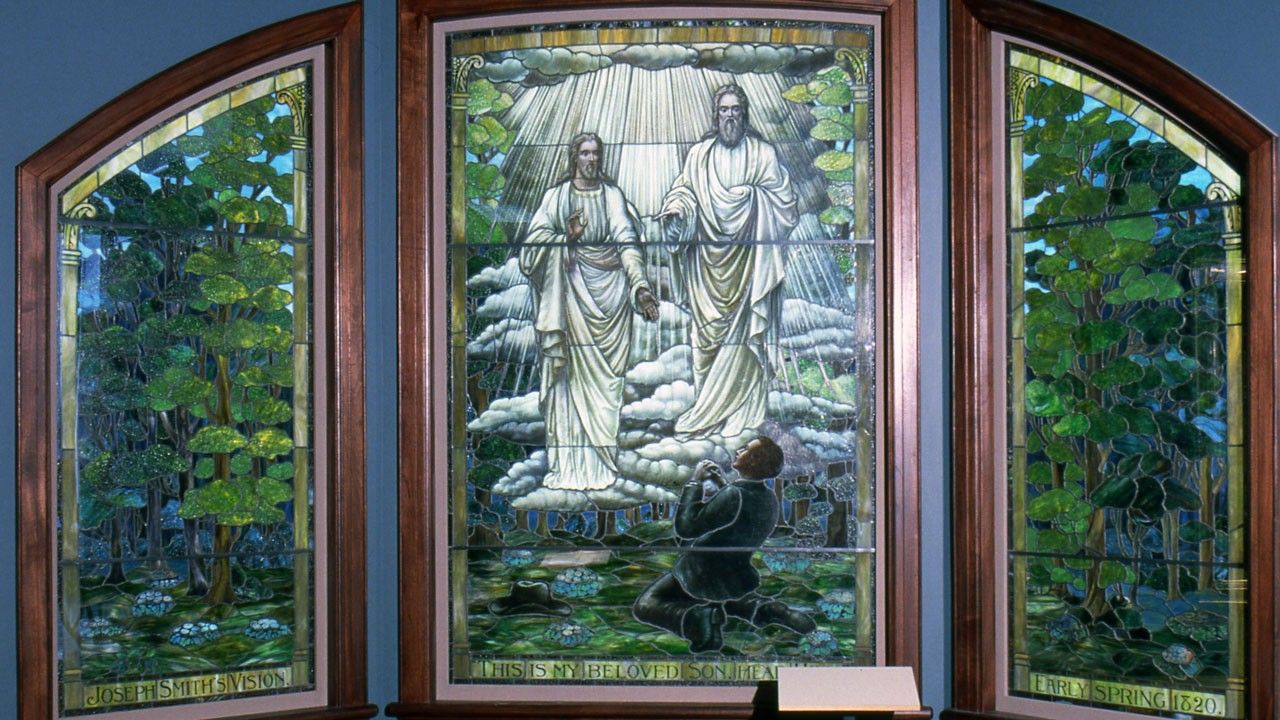
This stained glass depicting the First Vision is located in the LDS Church Museum in Salt Lake City.

This magnificent stained glass artwork portrays a moment of great historical significance: Joseph Smith's First Vision. The event took place in 1820 when a young Joseph Smith went into a grove of trees near his home in upstate New York to pray and seek guidance on which church to join. However, what he experienced during that prayer altered the course of history forever.

In response to his sincere prayer, Joseph was visited by God the Father and Jesus Christ. They conveyed to him that the fullness of the Gospel would be revealed to him at a future time. As a result, God restored the true Church of Jesus Christ through Joseph Smith. This restoration brought forth additional scripture, such as the Book of Mormon and the revelations in the Doctrine and Covenants. The authority to act in God's name, known as the priesthood, was also reinstated on earth. Furthermore, temples were established, allowing families to be sealed together for eternity. All these blessings became possible because of the profound impact of the First Vision and its subsequent events.

Joseph F. Smith, the sixth President of the Church and nephew of Joseph Smith, described the First Vision as the most significant event in the world since the resurrection of Jesus Christ.

During the early 20th century, there was a resurgence of interest in stained glass within American church architecture due to the Arts and Crafts movement. As a result, the subject of the First Vision became a popular theme for art glass windows in Latter-day Saint places of worship. One such example was a 12-foot window commissioned by the First Presidency for the Salt Lake Temple's Holy of Holies in 1892. Many other First Vision windows were also commissioned from different artists for Latter-day Saint meetinghouses.

The specific window in question was created in 1913 for the Adams Ward chapel in Los Angeles and is an example of the stained glass work from that period. The scene is painted on the back side of the glass, and along the bottom are the words of the Father to Joseph: "This is my Beloved Son. Hear Him!" While stained glass is no longer as popular in Latter-day Saint meetinghouses today, this artwork serves as a beautiful reminder of the pivotal moment in history - the First Vision, which remains a cornerstone of Latter-day Saint faith.


Old photo of stained glass of the First Vision commissioned for the Salt Lake Temple.
 
Color photo of the First Vision stained glass in the Salt Lake Temple.

Sources:

Church of Jesus Christ or Latter-day Saints. (n.d.). The First Vision Stained Glass. https://history.churchofjesuschrist.org/content/museum/museum-treasures-first-vision-stained-glass?lang=eng

Bridger Talbot. (2017, February 12). Latter-day Stained Glass: Part 2 - First Vision Stained Glass Depictions. Historic LDS Architecture. http://ldspioneerarchitecture.blogspot.com/2017/02/latter-day-stained-glass-part-2-first.html