Monday, October 14, 2024


Professional Language
The Power of Formal Language in Business Communication: Enhancing Professionalism and Clarity
 |
| An office setting with a businessman sitting at a desk and a sign on the wall that says: "Professional Language Used Here!" |
by John Fisher, assisted by AI
Introduction: In the world of business, the way you communicate can greatly impact how you are perceived by colleagues, clients, and stakeholders. While casual language may be common in personal interactions, the use of formal language is essential in business communication. It not only ensures professionalism but also fosters trust, respect, and clarity in professional relationships. In this blog post, we will explore why formal language is vital in business communication and how it can elevate your professional presence.
Why Formal Language Matters:
Formal language is crucial in business communication for several reasons:
Professionalism and Respect
Using formal language conveys a sense of professionalism and respect toward the recipient. In business settings, maintaining a respectful tone is important for creating and nurturing relationships. For example, instead of saying, "Hey, can you send me the report ASAP?" a more formal approach would be, "Could you please forward the report at your earliest convenience?"Clarity and Precision
Formal language helps eliminate ambiguity by promoting clear and precise communication. Casual language can often lead to misunderstandings or misinterpretations, especially when dealing with complex topics. For example, instead of writing, "I'll check in with you later," a more formal and precise alternative would be, "I will follow up with you on this matter by the close of business tomorrow."Building Credibility
The use of formal language enhances your credibility and authority in the workplace. When you communicate formally, you demonstrate professionalism and attention to detail. This is especially important when addressing senior management, clients, or external partners. For instance, "I think we should go with option two" can be replaced with "After careful consideration, I recommend we proceed with the second option, as it aligns with our project objectives."Consistency in Business Branding
Formal language helps maintain consistency in communication, which is essential for upholding a cohesive and professional brand image. Whether in internal emails, client presentations, or external reports, a formal tone shows that your organization values clear and respectful communication. For example, replacing an overly casual phrase like "Let's go with plan B, it’s cool" with "Let’s proceed with the contingency plan, as previously discussed" maintains a formal and consistent tone.Establishing Clear Boundaries
In professional settings, it’s important to establish boundaries between work and casual interactions. Formal language helps maintain these boundaries and avoids misunderstandings. For instance, instead of casually writing, "Hey, what’s up with the project?" a more formal option would be, "Could you provide me with an update on the project’s current status?"
Examples of Casual Language to Avoid:
- Instead of "Hey," use "Hello" or "Dear [Name]."
- Replace "Thanks a bunch!" with "Thank you very much."
- Avoid slang like "ASAP" or "FYI" in formal communication; use "at your earliest convenience" or "for your information" instead.
- Rather than "Just wanted to check in," say "I would like to inquire about the status of…"
Conclusion: Using formal language in business communication is not about being stiff or impersonal; it’s about demonstrating professionalism, ensuring clarity, and fostering trust. It builds your credibility, shows respect to your audience, and maintains the integrity of your brand. While casual language has its place in informal interactions, being mindful of your tone and word choice in professional settings will set you apart as a thoughtful and effective communicator. In short, formal language elevates your communication, ensuring it is taken seriously and respected.
Keywords: formal language, business communication, professionalism, credibility, clarity
References:
Wyatt, A. (2023, April 25). What is Formal and Informal Communication? (Complete Guide). Status.net. https://status.net/articles/formal-communication-informal-communication/
Words Matter
The Power of Word Choice in Healthcare Communication

by John Fisher
Effective communication is the cornerstone of quality healthcare. While healthcare professionals are often focused on diagnoses, treatments, and medical expertise, one element that is equally crucial but sometimes overlooked is the impact of word choice. The language used in healthcare communication can profoundly influence patient outcomes, trust, and overall experiences.
In this article, we'll explore the importance of word choice in healthcare and how it shapes the relationships between healthcare providers, patients, and teams.
1. Building Trust and Rapport
The words healthcare providers choose during patient interactions have a direct effect on the level of trust and rapport they build. According to a study published by the JAMA Network, even small changes in language during patient-clinician encounters can make a significant difference. Words convey not only information but also empathy, competence, and respect. When patients feel valued and understood, they are more likely to trust their provider and adhere to medical advice. Clear, respectful communication can turn a potentially stressful encounter into a positive experience.
2. Clarity and Understanding
Clarity is another vital aspect of healthcare communication. Medical terminology can be complex and confusing for patients, especially those with limited health literacy. The National Institutes of Health (NIH) highlights how crucial it is to use clear, concise language when discussing diagnoses, treatments, and care plans. When patients fully understand their health situation, they are more likely to follow through with treatment recommendations and avoid misunderstandings that could lead to harm.
Effective word choice not only improves patient compliance but also prevents costly errors. Misunderstandings in medical instructions or care plans can result in medication errors, improper follow-up, or delayed treatment, all of which may lead to adverse outcomes.
3. Reducing Anxiety and Stress
Healthcare settings are often associated with anxiety, particularly when patients face serious or complex medical conditions. The language used by healthcare providers can either exacerbate or alleviate this stress. An article in Intensive Care Medicine emphasizes the importance of clear and empathetic communication, especially in high-stress environments like intensive care units. When healthcare providers use compassionate, reassuring language, they can help reduce patients' fears and the emotional strain on families.
This is especially true when delivering difficult news. Using sensitive and considerate language can make the difference between a patient feeling overwhelmed or feeling supported and confident in the care they are receiving.
4. Cultural Sensitivity
In today’s diverse healthcare environments, cultural sensitivity is more important than ever. The language healthcare providers use must take into account patients' cultural backgrounds, beliefs, and values. According to an article from Osmosis, inclusive and culturally sensitive communication improves patient experiences and helps avoid misunderstandings that could arise from language that inadvertently disrespects a patient’s cultural norms.
For example, some cultures may have specific ways of discussing illness, pain, or treatment that should be respected in the healthcare setting. Understanding these nuances allows healthcare providers to better connect with their patients, leading to improved cooperation and better health outcomes.
5. Enhancing Communication Among Healthcare Teams
While patient-provider communication is essential, clear communication among healthcare professionals is equally important. Misunderstandings between colleagues can lead to mistakes in patient care, which may have serious consequences. The NIH study also highlights that word choice can influence not only patient perceptions but also how seriously healthcare professionals approach a case. Clear, precise language helps to ensure that all team members are on the same page regarding treatment plans, reducing the risk of errors and improving patient safety.
Conclusion: Choosing Words with Care
The power of word choice in healthcare cannot be underestimated. From building trust and reducing anxiety to ensuring clarity and respecting cultural differences, the words healthcare providers use have a profound impact on the quality of care they deliver. By being mindful of the language they use, healthcare professionals can foster better patient outcomes, improve collaboration within teams, and create more positive healthcare experiences.
As healthcare continues to evolve, focusing on the nuances of communication will remain a vital aspect of providing compassionate and effective care.
Krista's Story - Alberta Health Services
How careful are we about our word choice when communicating with patients and their families? Krista explores how the word choices of healthcare providers impacted how she felt about herself as a parent, the care of her daughter and the future of their family.
References
- Robinson JD, Opel DJ. (2024, September 18). Word Choice and the Patient Encounter. JAMA. doi:10.1001/jama.2024.15857 Retrieved from https://jamanetwork.com
- National Institutes of Health (NIH). (2016, June 13). Choice words and word choices. Retrieved from https://www.nih.gov
- Osmosis. (2021). Words Matter: The Power of Inclusive Language in Medicine. Retrieved from https://www.osmosis.org
- Curtis, J.R., Sprung, C.L. & Azoulay, E. (2014). The importance of word choice in the care of critically ill patients and their families. Intensive Care Medicine 40, 606–608. https://doi.org/10.1007/s00134-013-3201-8 Retrieved from https://link.springer.com
By focusing on effective communication, healthcare providers can truly make a difference in the lives of their patients, one word at a time.
#HealthcareCommunication #PatientCare #CulturalSensitivity #EffectiveCommunication #TrustInHealthcare
Sunday, October 13, 2024
Christmas Movie Guide
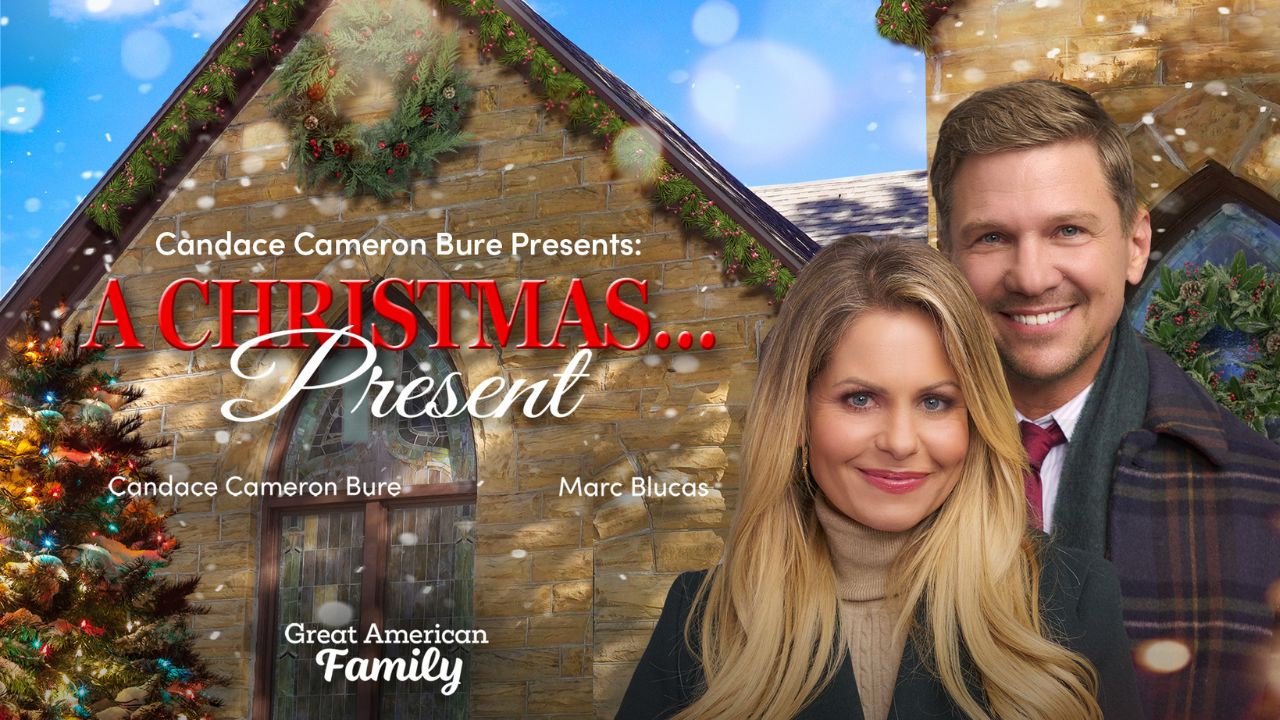
The Ultimate 2024 Christmas Movie Guide: Mark Your Calendars for Holiday Magic on Hallmark and Great American Family
by Annelise Woodward
Get ready for a festive season packed with heartwarming stories, holiday hijinks, and unforgettable Christmas magic! Whether you're a die-hard Hallmark fan or love the cozy, traditional charm of Great American Family, this year's Christmas movie lineup is sure to fill your home with joy. Starting in October, your weekends will be full of twinkling lights, romantic snowfalls, and the perfect blend of holiday cheer. From thrilling mysteries like This Time Each Year to enchanting love stories like A Christmas Castle Proposal, there’s something for everyone to cozy up to this holiday season. Here's the full list of must-watch movies so you can plan your viewing parties and set those recordings!
- Saturday, 10/12: Christmas Wreaths and Ribbons – Great American Family
- Friday, 10/18: ‘Twas the Date Before Christmas – Hallmark
- Saturday, 10/19: Holiday Crashers – Hallmark
Saturday, 10/19: A Vintage Christmas – Great American Family - Sunday, 10/20: Scouting for Christmas – Hallmark
- Thursday, 10/24: This Time Each Year – Hallmark Mystery
- Friday, 10/25: Operation Nutcracker – Hallmark
- Saturday, 10/26: The Christmas Charade – Hallmark
Saturday, 10/26: A Christmas Castle Proposal – Great American Family - Sunday, 10/27: The 5-Year Christmas Party – Hallmark
- Thursday, 10/31: My Sweet Austrian Holiday – Hallmark Mystery
- Friday, 11/1: A Carol for Two – Hallmark
- Saturday, 11/2: Our Holiday Story – Hallmark
Saturday, 11/2: Tails of Christmas – Great American Family - Sunday, 11/3: Holiday Mismatch – Hallmark
- Thursday, 11/7: Five Gold Rings – Hallmark Mystery
- Friday, 11/8: Trivia St. Nick’s – Hallmark
- Saturday, 11/9: Santa Tell Me – Hallmark
Saturday, 11/9: A Royal Christmas Ballet – Great American Family - Sunday, 11/10: ‘Tis the Season to Be Irish – Hallmark
- Thursday, 11/14: A Reason for the Season – Hallmark Mystery
- Friday, 11/15: Christmas with the Singhs – Hallmark
- Saturday, 11/16: Jingle Bell Run – Hallmark
Saturday, 11/16: A Christmas Less Traveled – Great American Family - Sunday, 11/17: Confessions of a Christmas Letter – Hallmark
Sunday, 11/17: A Christmas Quilt – Great American Family - Thursday, 11/21: A Novel Noel – Hallmark Mystery
- Friday, 11/22: Christmas on Call – Hallmark
- Saturday, 11/23: Three Wiser Men and a Boy – Hallmark
Saturday, 11/23: A Little Women’s Christmas – Great American Family - Sunday, 11/24: To Have and To Holiday – Hallmark
Sunday, 11/24: Christmas by Candlelight – Great American Family - Wednesday, 11/27: Christmas Under the Lights – Hallmark Mystery
- Thursday, 11/28: Debbie Macomber’s Joyful Mrs. Miracle – Hallmark
Thursday, 11/28: I Heard the Bells – Great American Family - Friday, 11/29: A 90’s Christmas – Hallmark
Friday, 11/29: Deck the Walls – Hallmark
Friday, 11/29: A Cinderella Christmas Ball – Great American Family - Saturday, 11/30: Believe in Christmas – Hallmark
Saturday, 11/30: A Holiday Touchdown: A Chiefs Love Story – Hallmark - Sunday, 12/1: The Finnish Line – Hallmark
Sunday, 12/1: The Christmas Quest – Hallmark
Sunday, 12/1: Home Sweet Christmas – Great American Family - Thursday, 12/5: A Dance in the Snow – Hallmark Mystery
- Friday, 12/6: Private Princess Christmas – Hallmark
- Saturday, 12/7: Sugarplummed – Hallmark
Saturday, 12/7: Once Upon a Christmas Wish – Great American Family - Sunday, 12/8: Leah’s Perfect Gift – Hallmark
Sunday, 12/8: Let it Snow (Old Movie) – Great American Family - Thursday, 12/12: All I Need for Christmas – Hallmark Mystery
- Friday, 12/13: Hanukkah on the Rocks – Hallmark
- Saturday, 12/14: The Santa Class – Hallmark
Saturday, 12/14: Christmas Under the Northern Lights – Great American Family - Sunday, 12/15: Following Yonder Star – Hallmark
Sunday, 12/15: Christmas in Scotland – Great American Family - Thursday, 12/19: Trading Up Christmas – Hallmark Mystery
- Saturday, 12/21: Holiday Howlidays – Hallmark
Saturday, 12/21: Get Him Back for Christmas – Great American Family - Sunday, 12/22: Coupled up for Christmas – Great American Family